
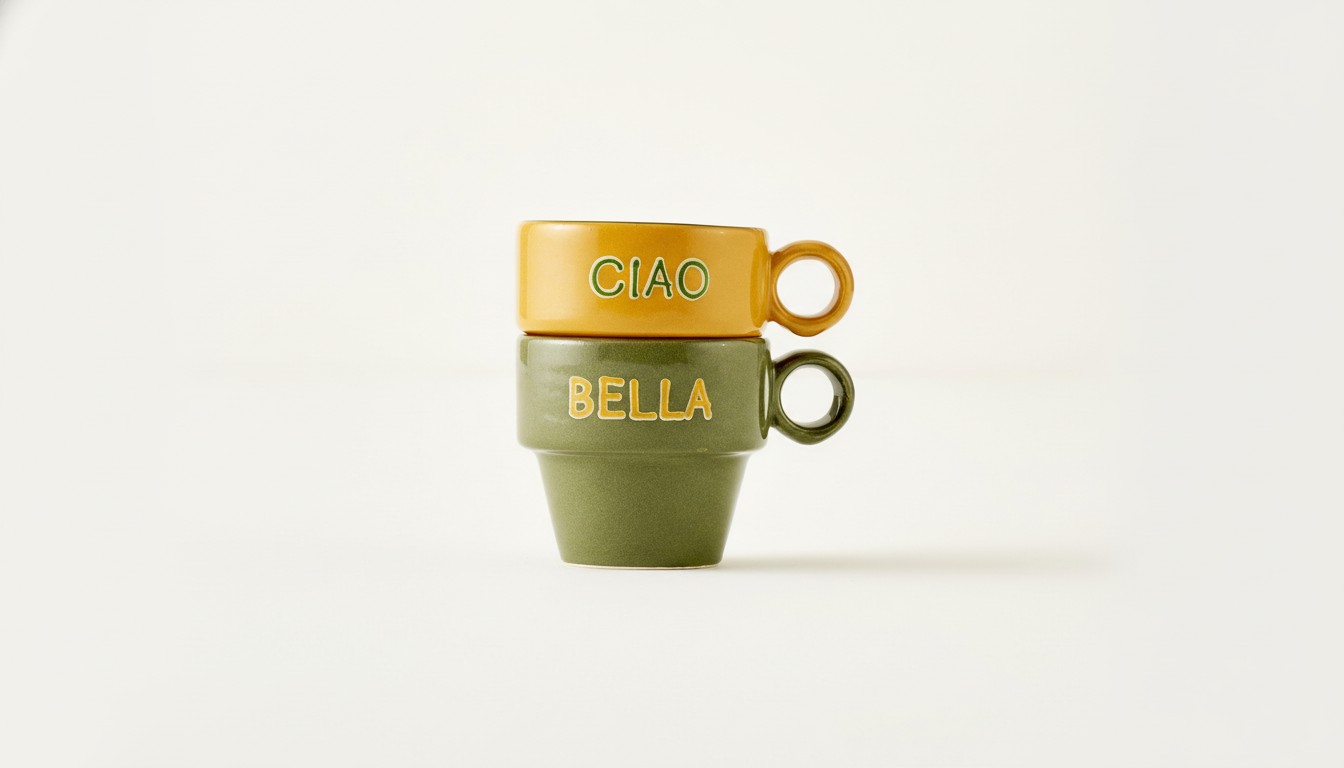
In modern interior design, porcelain has gradually become an important exhibit in furniture stores. Whether it is hand-carved vases, exquisite tea sets, or richly colored decorative plates, porcelain brings a unique artistic atmosphere to the home. Furniture stores often pair porcelain with wooden furniture, metal accents, and textiles, combining materials, colors, and shapes to create layered and culturally rich spaces.
The charm of porcelain lies not only in aesthetics but also in its historical and cultural significance. Chinese porcelain has a long history—from Tang dynasty celadon, Song dynasty Ding ware, Jingdezhen blue-and-white porcelain, to Qing dynasty famille rose porcelain—each piece reflecting the craftsmanship and artistic taste of its era. By displaying these cultural elements, furniture stores allow customers to appreciate aesthetic value while feeling a sense of historical depth.
In terms of materials, bone china, ceramic, and underglaze porcelain each have unique features. Bone china is lightweight and translucent, ideal for modern minimalist styles; ceramic is heavier and sturdier, suitable for rustic or vintage homes; underglaze porcelain is known for its vibrant colors and intricate patterns, perfect for Chinese or European-style displays. By selecting appropriate materials, stores can harmoniously integrate porcelain with furniture styles.
Display techniques are equally crucial. Furniture stores often use group arrangements, themed spaces, and interactive areas to integrate porcelain into home settings. For example, combining porcelain of varying heights creates visual rhythm, and arranging color-coordinated pieces in the same space allows customers to intuitively experience overall matching. Through lighting and layout, the texture and three-dimensionality of porcelain are enhanced, increasing customer interest.
Porcelain care and collectible value are also important. Avoid direct sunlight and drastic temperature changes, wipe dust with a soft cloth, and regularly check for cracks or damage to prolong lifespan. Limited edition or handcrafted porcelain often appreciates in value, attracting customers to purchase them as both decor and investment.
Moreover, porcelain can tell stories in furniture displays. Spring displays of cherry blossom-patterned porcelain, or autumn arrangements of warm-toned decorative plates, create emotional resonance. Porcelain is not only a decorative item but also a silent ambassador of art and culture, making spaces warmer and more sophisticated.