
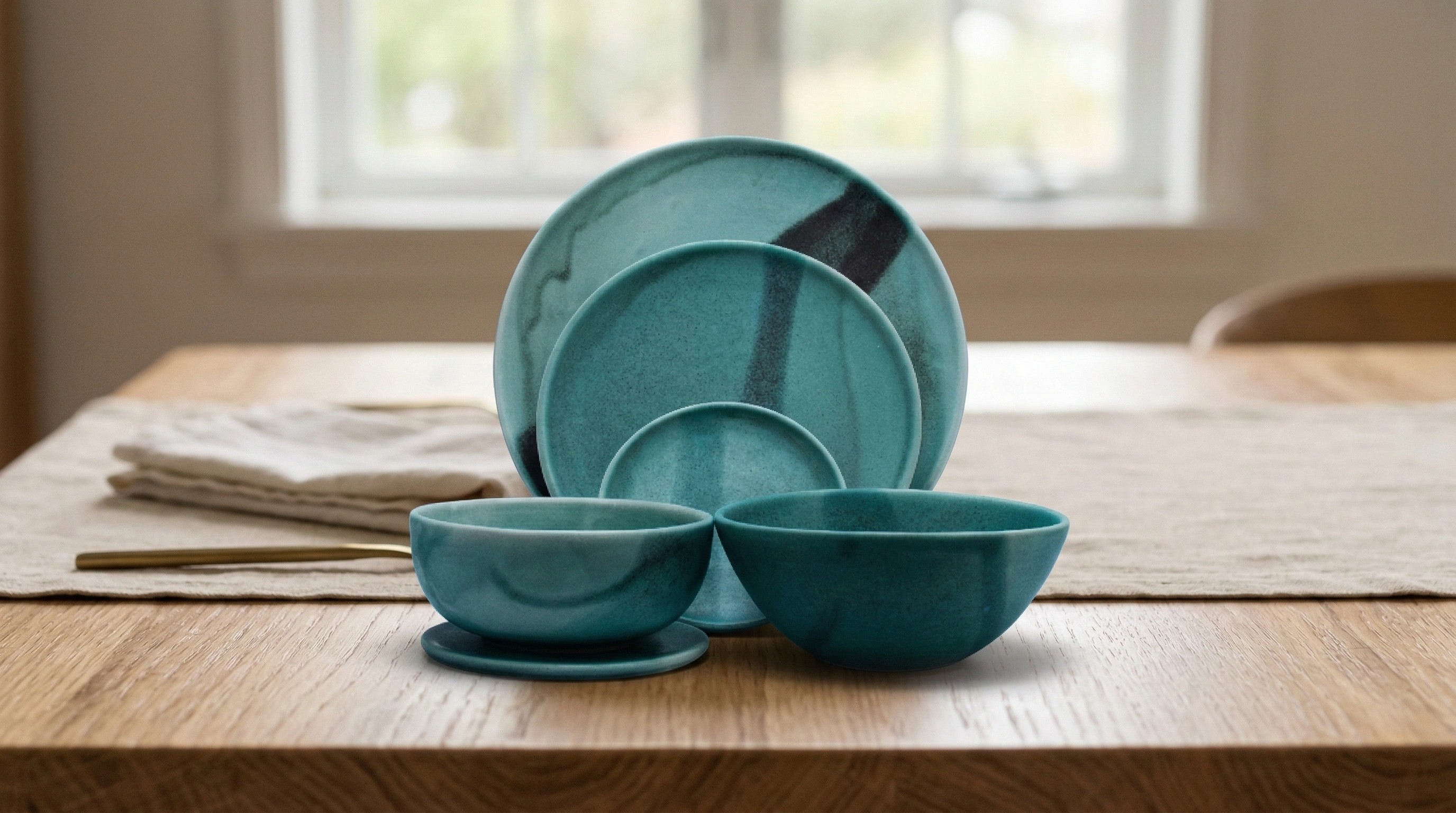
Porcelain displays in furniture stores are not merely decorative—they serve as a visual language. Through color, material, and shape, stores can convey different home styles. For example, modern furniture pairs well with minimalist white or transparent porcelain for a clean and crisp visual effect, while classical European furniture suits gilded or intricately patterned porcelain to exude luxury.
Display techniques include group arrangements, layered stacking, symmetrical layouts, and themed space designs. Stores often place porcelain according to space function and style—for instance, warm-toned porcelain in dining rooms enhances dining atmosphere, while minimalist white or gray porcelain in studies creates a quiet, focused environment. Through visual contrast and harmony, customers intuitively perceive how furniture and porcelain complement each other.
Porcelain displays can also incorporate seasonal or narrative designs. Spring may feature floral patterns, summer with ocean blues, autumn with warm oranges, and winter with silver or snowy motifs. Such displays are aesthetically pleasing and emotionally engaging, increasing customer purchasing desire.
Lighting and spatial layout play vital roles. Light and shadow enhance porcelain surface texture, and combining pieces of varying height and size creates visual flow, guiding customers from display areas to sales zones, improving overall sales. Interactive areas allow customers to experiment with matching porcelain and furniture, enhancing engagement and shopping satisfaction.
Psychological studies suggest that carefully selected and arranged porcelain enhances customer perception of overall home quality, making them more likely to purchase. Thus, porcelain serves not only as decor but also as a silent sales tool.